Last night at our home group, we opened the Word and discussed this past Sunday’s sermon text on 1 John 4:7–21, which offers a compelling picture of where love comes from, what love looks like, and how we can enjoy and express it. It was dope.
The World’s Definition of Love
One of the questions we discussed was, “What are the definitions of love we often see in the world?” Of the many good answers, one struck me with peculiar force:
“Love is unconditional affirmation.”
I think that’s right. There is a widespread belief that loving someone means always accepting and embracing whatever they choose to think, feel, or do and that it’s always unloving to challenge, confront, or correct. This view thinks love should be all sugar and no scalpel.
The Problem with Unconditional Affirmation
In truth, that kind of “love” is lazy, selfish, and utterly unlike the love Christ shows at the cross. Kevin DeYoung describes this well:
“Love is so much more difficult than the bumper stickers make it out to be. It requires so much more than a general sentiment of good will. It is so much deeper and better than unconditional affirmation.
What does unconditional affirmation require of you by way of sacrifice? Nothing. All it requires is a wave of the hand—‘Whatever you do, I’m fine. However you live, that’s fine.’ The problem with unconditional affirmation is not that it is too lavishly loving, but that it is not nearly loving enough.
When God tells us to love our brothers, he means more than saying, ‘I’m okay. You’re okay. Whatever you do is fine and I don’t judge.’ To really love your brother is to lay down your life for him. It requires you to die to yourself, which may mean a sacrifice of your time, your reputation, and your comfort. Unconditional affirmation only asks that you sacrifice your principles.”
Indeed, true love accepts others as they are, but it cares too much to leave them that way. Sometimes, when someone is being foolish or destructive, love leaves their side and gets in their face for their good.
The Cost of True Love
Love is harder than we think. Of course, we love our kids, our grandkids, and those who treat us well. We love nice people. But Jesus says even the pagans do this. It’s not hard. People naturally love those who love them.
The real test is this:
Will we keep loving when it means bearing burdens we’d rather avoid?
Will we love when the people we love do not love us in return?
Will we lay down our lives for those who are unlovely, undeserving, and ungrateful?
Isn’t that what Christ did for us? When we were unlovely, undeserving, and ungrateful, Christ died for us. He loved us not because we were holy, but so that we might be holy. His love was self-sacrificing, sin-atoning, and life-transforming.
He loves us with a love that the world does not understand—and it is infinitely better than unconditional affirmation.
A Better Kind of Love
Christians are products of a love that isn’t unconditional affirmation, but selfless confrontation. The love of Jesus compelled Him not only to be our sacrifice, but also to convict us of sin in the deepest places of our hearts. His is a love that would not affirm us, but interfered with us. And for that reason, His people will sing His eternal praise.
The recent death of Charlie Kirk has sent me into a tailspin of emotion and deep reflection. From reflection, I believe there is an important note that needs be said out loud.
When we look honestly at political violence in America over the past few years, a clear pattern emerges in assassinations (attempted or successful), riots, and school shootings.
Increased Assassinations
There have been increased targeted attacks on individuals:
Aaron Danielson (Aug 29, 2020): Patriot Prayer supporter shot and killed in Portland by an ANTIFA activist during protests.
Brett Kavanaugh (Jun 7, 2022): Supreme Court justice targeted near his home by an armed man angry over Roe v. Wade; plot foiled.
Donald Trump (Jul 13, 2024): Former president grazed by a bullet during a Pennsylvania rally; one innocent bystander killed, shooter neutralized.
Donald Trump (Sep 15, 2024, unconfirmed): Alleged foiled plot at a Florida golf club.
Brian Thompson (December 4, 2024): Assassinated UnitedHealthcare CEO in protest of corporate greed; act praised in radical anti-corporate and accelerationist circles and justified by many in mainstream media.
Charlie Kirk (Sep 10, 2025): Conservative commentator shot and killed while speaking at Utah Valley University.
Increased Riots
There have been numerous, destructive riots.
George Floyd Protests / Minneapolis Riots (May 2020): Police precinct burned, widespread looting and arson across the city.
Kenosha Unrest (Aug 2020): Arson, looting, and destruction after Jacob Blake’s shooting.
Portland Federal Courthouse Siege (Summer 2020): Molotov cocktails, fires, and vandalism targeting federal buildings.
Seattle CHAZ/CHOP Occupation (Jun 2020): Autonomous zone created after police left a precinct; shootings and lawlessness followed.
Atlanta “Stop Cop City” Riots (Jan 2023): Rioters torched police cars and construction equipment at a police training site.
George Floyd Anniversary Protests (May 2021): Destructive riots in multiple cities marking the one-year anniversary.
Increased School Shootings
Tragically, our schools have become increasingly unsafe as well.
Covenant School (Mar 27, 2023): Transgender former student murdered six at Christian school in Nashville.
Feather River School (Dec 4, 2024): Shooter with possible anti-Christian motive wounded two at Seventh-day Adventist school.
Abundant Life Christian School (Dec 16, 2024): Shooter killed two at Christian school; motives under investigation.
Annunciation Catholic School (Aug 27, 2025): Former student, who identified as transgender, opened fire during a Catholic Mass—killing two children and injuring 17 others—before committing suicide; authorities are investigating the attack as a hate crime and domestic terrorism.
Did You Spot the Theme?
There is a pattern emerging through these events.
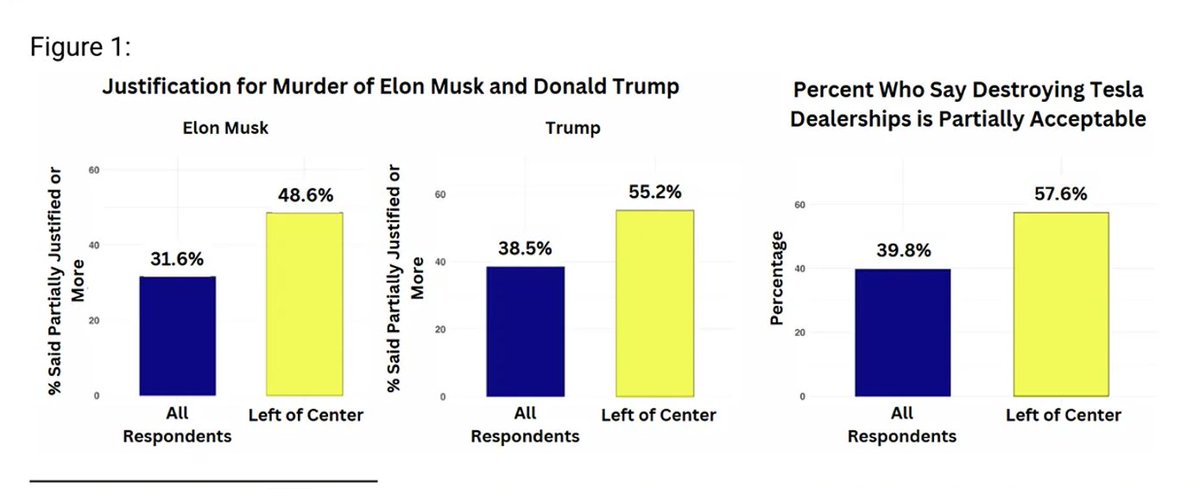
What ties many of these tragedies together is not just anger but a worldview shaped by rhetoric that is consistently, unitedly, and relentlessly voiced within a sector of the political left—and only the left. Hear me clearly: I am not saying leaders are openly calling for violence. I am saying that a segment of the left promotes ideas and frames their opponents in ways that create a mental framework which encourages, motivates, and justifies violence.
Political violence is a feature, not a bug of progressivism.
Because progressivism is built on top of a Critical Theory lens that sees the world through “Oppressed vs Oppressor” categories rather than a Christian Theology lens of “Right vs Wrong”, it trains people to see opponents not as mistaken, but as evil oppressors.
If you believe someone is mistaken, you try to persuade them (what Charlie Kirk did).
If you believe someone is an evil oppressor (“literally Hitler!”, “fascist”, “existential threat to democracy”, virtually everything and everyone is “racist”), you will feel a moral obligation to stop them.
This is why there is radically disproportionate violence emerging on the Left.
When political leaders, media figures, and cultural influencers within the Left say “Trump is Hitler,” “ICE is the Gestapo,” “conservatives are fascists,” or “America is on the brink of theocracy”—and when TikTok voices openly mourn assassination attempts or celebrate assassination successes —they are not merely exaggerating. They are working from and building into an intellectual framework and moral permission system that convinces unstable people that violence is not only justified, but necessary. They teach and speak in a way that, if taken seriously, makes violence inevitable.
Last month I mentioned this ideological and rhetorical pattern and some pushed back with “What about January 6th?” But given the events listed above, even in brief, it is inaccurate and dishonest to equate January 6th—foolish, chaotic, and reckless though it was—with the scale, destructiveness, death toll, and intentionality of these other incidents. January 6th was a single outburst. These others are repeated waves of riots, arson, assaults, and assassinations fueled by years of overheated rhetoric. Recognizing that difference does not excuse January 6th, but it does acknowledge reality: it is nothing like the tragedies above. To claim otherwise is, at best, inaccurate—or, at worst, willfully deceptive.
Why Am I Writing About This?
I’m not a politician—I’m a pastor, professor, and teacher. I write this because Jesus calls us to “speak the truth in love” (Ephesians 4:15). Valuing that will affect our words and how we evaluate the words of others. Doing that is always wise, good, and beautiful. Promoting that will help us, our families, and our nation flourish. Speaking truth in love, though it isn’t always easy or liked by others, is always good.
Brothers and sisters in Christ, we must freshly commit ourselves to truth and goodness in word and deed. Ready to speak a word in season and equally ready to condemn what is false and evil wherever it shows up—whether on the Right or the Left. Our commitment to the Lord must make its way into our speech and our evaluation of the speech we hear.
Sadly, Kirk’s death highlights, underlines, and italicizes his assessment. Even more, the data matches our news feeds, doesn’t it? There is a cancer of thinking and speaking that lives on the Left aisle of modern politics. This is a pattern that wisdom says to recognize, truth says to admit, and love demands a response to.
None of this means those in the center or on the right are always correct. Nor does it mean every liberal is evil or that all on the left are guilty or complicit. This is not a blanket condemnation of everyone in one party, nor is it a blanket justification of the other. It is, rather, a condemnation of specific ideologies and consistent rhetoric—found and nurtured in some sectors of the left—that fuel patterns of disaster and tragedy.
We must be honest, on both the left and the right, about the words and ideas that create the permission structure for political violence. If you identify with “the left,” hear me: I am your friend. I am asking you to join me in condemning these deadly ideologies and reckless words—wherever they come from.
For Truth & Love’s Sake, We Must Do Better
I write this not as a “gotcha” or to score points, but as a humble attempt to help my fellow Americans—left, right, and center—see this violence and chaos are coming from, justified, and nurtured by ideologies and rhetoric that only exists on the Left. If we want our nation to heal and if we want to love our neighbor well, we must acknowledge the source of this violence, refuse to participate in it, and never let it pass without rebuke. As the Apostle Paul reminds us, “Have nothing to do with the fruitless deeds of darkness, but rather expose them” (Ephesians 5:11).
By all means, we should freely disagree about policies, ideas, strategies, and arguments. We must value rigorous, honest, and intellectual debate. Don’t mince words or hide arguments—but may we all argue with integrity, always exposing error while holding fast to truth and love. Ideas and words are not neutral; they shape our perception of reality. Think clearly. Speak wisely. Speak well. Your words matter.
The gospel of Jesus is against earning, not effort. In fact, for those who’ve trusted in Christ for salvation, effort is commanded. After all, didn’t Paul write, “Make every effort...to be holy” (Hebrews 12:14) and “work out your salvation with fear and trembling” (Phil. 2:13). Jesus won us our salvation in full (justification by faith alone; Romans 3:21-26), but we experience and grow into its fullness only inasmuch as we intentionally walk in it (sanctification by grace-fueled effort). Like our physical bodies, we don’t work for our salvation, but we do work it out.
I wonder, how much effort are making to become more like Jesus in how you think, feel, and act? What are you doing to grow?
Epictetus, the Stoic Philosopher, once lovingly rebuked his own students and their lackadaisical efforts to improve themselves. I think his words speak even more powerfully to Christians saved by grace.
How long will you wait before you demand the best of yourself…? You have been introduced to the essential doctrines and claim to understand them. So what kind of teacher are you waiting for that makes you delay putting these principles into practice until he comes? You’re a grown man already, not a child any more. If you remain careless and lazy, making excuse after excuse, fixing one day after another when you will (finally get serious)…you will have lived and died unenlightened.
Decide that you are an adult who is going to devote the rest of your life to making progress. Abide by what seems best as if it were an untouchable law. When faced with anything painful or pleasurable, anything bringing glory or disrepute, realize that the crisis is now, that the Olympics have started, and waiting is no longer an option. The chance for progress, to keep or lose, turns on the events of a single day. That’s how Socrates got to be the person he was, by depending on reason to meet his every challenge. You’re not yet Socrates, but you can still live as if you want to be him.
God has equipped you, dear Christian, with every grace needed to grow, mature, and flourish into the image of Jesus. His Son’s blood cleansed your sin and saved you from judgment. His Spirit dwells within. His Word lights your path. His church is alive and well to walk with you in the Way. The only thing stopping you from growing is you.
How long will you wait before you demand the best of yourself? Decide the kind of person you want to be and “make every effort to be holy.” Joy is to be had.
In my personal worship time with the Lord I am making my way through 2 Samuel and I came upon a section that stirred some thoughts about home life.
In 2 Samuel 6:1-19, King David attempts to bring the Ark to Jerusalem, but it ends disastrously by Uzzah’s death for touching it (2 Sam. 6:1-9). After pausing the move and seeing God’s desire to lavishly bless his people if they only seek him rightly (2 Sam. 6:10-15) , David brings the Ark to Jerusalem with extraordinary reverence and celebration (2 Sam. 6:16-19).
After the celebration, David comes home. Sadly, his happiness in the Lord is confronted by the bitterness of his wife, Michal:
“And David returned to bless his household. But Michal the daughter of Saul came out to meet David and said, ‘How the king of Israel honored himself today, uncovering himself today before the eyes of his servants’ female servants, as one of the vulgar fellows shamelessly uncovers himself!’”
His people celebrated him. His wife condemned him. For David, home was not where the heart was, it was where the heat was.
Some Reflections on Home Life
Here are a few reflections, in no particular order and linked by no other theme than life at home.
It Is Good to Worship at Church and Home
“David returned to bless his household.” 2 Samuel 6:20
David intended that worship wouldn’t stop at church, but continue at home. After he blessed his second sheep, he went home to minister to his first sheep. He desired his home to be a little church where God would not be assumed, but admired.
It Is Good for Men to Bless Their Households
“David returned to bless his household.” 2 Samuel 6:20
Lots of men err in thinking home only as a place where they’re blessed, but not a place where they’re to bless (2 Sam. 6:20). Not David (at least in this instance!). He didn’t want to be a drain, but a fountain to his family; not a taker, but a giver. He came home to infuse the joy of the Lord into the heart of his home. He came home to make happy sheep.
Good Men Worship by Example
In worship, David was, “David leaping and dancing before the Lord” 2 Samuel 6:16.
He didn’t merely command devotion with his words, he exemplified it in his worship. Forgive me the crass phrase, but David smoked what he sold.
This is relevant for all, but especially for men: at home, what you celebrate will always eclipse what you articulate. One of the best ways to lead your families in the Lord is by enjoying the Lord in front of them. Our passions preach loudest.
Good Wives Bless Their Husbands
“But Michal the daughter of Saul came out to meet David and said, ‘How the king of Israel honored himself today.'” 2 Samuel 6:20
Michal is just the worst here. David makes his way home abounding in joy, absolutely on fire for the Lord, ready to bless his house and she meets him with a cold bucket of water. She doesn’t even wait, but she comes out of the house to catch him (2 Sam. 6:20). In modern terms, she sends a flurry of disgruntled and mean text messages.
What a powerful counterexample of what a “Helper” (Gen. 2:15) should be! Wives, do you double your husband’s joy in the Lord or half it? Are you a blessing like Ruth or a curse like Job’s wife (Job 2:9)? Are you water or gasoline to your husband’s work and worship?
Spouses Can Sometimes Be Enemies
“She despised him in her heart.” 2 Samuel 6:16
Not even King David could avoid problems at home. Unfortunately, Michal took after her father Saul and not after her brother Jonathan. She wasn’t a helper, she was just plain hostile. David isn’t alone in this experience. Socrates once said, “Other men find it hard to put up with the neighing of horses, the roaring of lions, and the bawling of pigs. But I have learned to endure all these. There is only one creature that I cannot master—my wife.”
Having a ring on your finger doesn’t mean you’re a blessing in your home. In your words, habits, and deeds, are you friend or foe to your spouse? Making a vow to “love and cherish” is different than keeping it.
Empty Hearts Recoil from Expressive Worship
“Michal the daughter of Saul looked out of the window and saw King David leaping and dancing before the Lord, and she despised him in her heart.” 2 Samuel 6:16
Matthew Henry nails this one, “Michal was not displeased at his generosity to the people, nor did she grudge the entertainment he gave them; but she thought (David) degraded himself too much in dancing before the ark. It was not her covetousness, but her pride, that made her fret.” And then the zinger, “The exercises of religion appear embarrassing in the eyes of those that have little or no religion themselves.” Haters gonna hate.
Our Joy in God Must Be Our Guide
“It was before the Lord… and I will celebrate before the Lord.” 2 Samuel 6:21
David is unmoved by her grumbling resentment. In fact, he doubles down. First, he makes it clear to her that worships God and not her (2 Sam. 6:21). God’s pleasure is sweeter to him than the bitterness from her pride. She doesn’t direct his actions, he does. Second, he fears God and not the opinions of others (2 Sam. 6:22). In a word, David would not allow his wife to determine what he did or didn’t do, but God alone. He was directed by his pleasure in God and not her displeasure in him.
A lesson for men, do you fear your wife more than God? Does her displeasure weigh more heavily in your life than God’s pleasure? Are you tossed around by the storm of her desires or the sunlight of his grace?
Sometimes, the fiercest battles aren’t always fought in public but in private. Loving your home in the fear of God, not the fear of man (or spouse), requires courage, conviction, and joy. Whether you’re a husband or wife, don’t be the one who quenches the fire—be the one who fans it.
Protecting kids is a see-saw between over-doing it (i.e. helicoptering) or under-doing it (i.e. neglecting). The extremes are easy to identify. Finding the golden mean is difficult, especially when our kids live in two different worlds: the real world and the digital world.
Psychologist Jonathan Haidt wrote two very important books about both of these worlds and the respective traps parents often fall into. The first book, The Coddling of the American Mind, demonstrates parents’ tendency to overprotect their kids from the real world. To use a proverb quoted in the book, “They prepare the road for their child, but not their child for the road.” The second book, The Anxious Generation, explores how parents often under-protect their kids in the digital world, leaving their minds to be subtly shaped by its worst offerings. Both of these are traps parents should be informed of and intentional to avoid for their kids’ sake.
I am digging into the second book and Haidt has only solidified my plans to never get my kids a smartphone. Here are seven reasons why.
I Don’t Want My Kids to Be Awkward
Smartphones train kids to be comfortable with screens and uncomfortable with human faces. The more they’re on phones the less they’ll engage with real people in real situations and learn the skills of eye contact, attention to detail and nuance, and conversation. Those are important skills to learn for life’s most important joy – relationships. I don’t want to unnecessarily make it harder for my kids to not act or feel awkward in real life. Going through puberty provides enough difficult in that realm.
I Don’t Want My Kids to Be Lonely
Haidt says, “Since the rise of smartphone use around 2012, loneliness among U.S. teens has increased by 50%, with 1 in 4 high school students reporting frequent feelings of loneliness.” Why? It should be obvious, Haidt says, “The more time teens spend on social media, the less time they spend in face-to-face interaction, which is a recipe for loneliness and disconnection.” If I have the decision to get some quiet time for myself or please my kids at the increased risk of helping them feel lonely, I don’t find it a hard one to make.
I Don’t Want My Kids to Have Depression, Anxiety, or Suicidal Thoughts
Heavy social media use (4+ hours daily, which is on the lower end with the students I teach) among teen girls is associated with a 65% higher likelihood of reporting symptoms of depression and anxiety. The social comparison and pressure from curated online images is disastrous. Even more, it’s deadly. Hospital admissions for self-harm among girls aged 10-14 tripled from 2010 to 2020, correlating with the rise in social media use.
I Want to Increase My Kids Focus and Attention
Smartphones destroy kids’ ability to focus and lower their academic achievement or enthusiasm. Continual smartphone use steals the little attention kids have and leave none for the hard, focused work their education requires, especially in the area of reading. The data about this is so significant it has caused states like Arizona, California, and New York (plus eleven other states) and countries like Hungary, the Netherlands, and Italy to implement school smartphone bans since 2023. Moves like these aren’t easy or popular to make, nor are they usually so bipartisan. Could it be that the data is just that good and smartphones are just that bad for kids’ minds?
I Value the Effect of Real-World Play for My Kids
If my child is playing on a screen, they’re not playing in real life. Physical play – which demands imagination, fair play, hard work, and learning how to win and losing respectfully – is crucial to grow in creativity, emotional resilience, and social skills. Every hour spent online is one hour lost in experiencing these valuable skills.
I Want My Girls to Learn the Value of Delayed Gratification
Smartphones breed addiction to immediate comfort. They make kids uncomfortable with the discomfort involved to develop their bodies, minds, and contentment. Smartphones condition children to seek instant dopamine rushes and foster a preference for quick pleasure over sustained focus. The more they practice scrolling for the quick hit of pleasure the less able they are to hit the pause button to enjoy the long-lasting pleasure that only comes after hard work. They get addicted to comfort and recoil from the hard work needed to grow. My kids won’t have a chance of cultivating a love for truth and virtue born only of focused and sustained work if I allow them to experience the incessant, instant gratification of social media.
I Want My Girls to Feel Bored
I’ve grown to love the phrase, “Daddy, I’m bored,” because I know its the necessary start for them to learn or do something useful and satisfying. Creativity, resilience, and resourcefulness need the soil of boredom to grow. The National Library of Medicine says, “boredom can be a source of creativity and innovation in that when bored, brains are more likely to wander and explore new ideas or perspectives. Boredom can encourage one to seek novel experiences, discover new interests, or challenge oneself to learn and grow.” If I deny my kids the experience of boredom or “save” them from it by putting a phone in their hands, I am choosing to stunt their ability to enjoy or create good and beautiful things.
Parents, You Are Responsible
Your kids are too immature and uninformed to make this decision for themselves. Other parents are responsible for what they do with their kids, not yours. You alone can make the decision and you alone are responsible for the decision you make.
Though there are more reasons to cite, these are enough for me to see giving my children a smartphone isn’t very smart. If you don’t agree, that’s your choice, but consider asking, “What great good does a smartphone offer that is valuable enough to risk even one of these potential problems?”
Maybe one more word for parents. We’d be amiss to think about how smartphones affect our kids without considering how they may be affecting us too. How is your smartphone affecting you? What kind of relationship do you have with your phone and social media? Is it making your relationships, learning, and life better or worse? Is your social media use making you more content, cheerful, and Christ-like or is it shaping you in other ways you may not have noticed?
Feel free to push back or add reasons I haven’t mentioned.
No matter who you are, love is a big deal. The Beatles say it’s all you need. Elvis keeps falling into it. Our culture loves love, but it doesn’t seem very good at it, especially in marriage. Fewer people are getting married and many who do end up divorcing. Some think love is overrated because of this, but I don’t think love needs a better PR team—it needs a better definition.
How can a world that loves love be so bad at it, especially in the most important human relationship we have? The answer: the world values the appearance of love, but not its substance. The world’s definition of love we often see in movies and hear about in songs is counterfeit—cheap and short-lived. It is a Temu love.
Seth and Ellie, I’ve good news for you, God answers Haddaway’s question. In Paul’s letter to the Corinthians, the Scripture Ethan read for us, God offers five truths about what true love actually is. This is the love that will make your marriage not just survive but thrive.
1. Love’s Character (1 Corinthians 13:4a)
First, Paul teaches us two essential characteristics of love, “Love is patient and kind.” First, love is patient. It willingly endures the hard things from our spouse for their good. Like I tell my girls, patience is waiting with a smile. Second, love is kind. It isn’t only willing to patiently stomach our spouse’s hard things, love eagerly desires to give our spouse good things. In patience, love is resilient. In kindness, it’s generous. Love is not only prepared to take our spouse’s hard things, but excited to give them our good things.
Love’s patience and kindness are like the two wings of the plane; you need both. Love without patience is temporary. Love without kindness is miserable. Together, these characteristics make love a fountain that kindly gives and patiently lasts.
So, what is love? Patiently working for the good of another.
2. Love’s Focus (1 Corinthians 13:4b-5)
Second, Paul explains love’s focus. “Love does not envy or boast; it is not arrogant or rude. It does not insist on its own way; it is not irritable or resentful.” What do all these have in common? Self-focus.
We envy because we want what others have. We boast because we want others to notice what wehave. We’re arrogant and rude when we insist on our way without regard for how our words, tone, or actions affect others. We get cranky when the world doesn’t revolve aroundus. Self-love puts a microscope on the faults that make our life harder—nothing escapes our notice, and everything gets on our nerves.
But true love flips the focus. It looks outward. It puts the good of the other first and puts the burden to change upon ourselves. When we love this way, we trade our microscope for a mirror. Instead of zeroing in on how our spouse is failing us, we begin asking how we might be failing them. When we stop focusing on King-Me, we toss the list of ways they’ve failed us and start writing a list of ways we need to grow for them.
When that happens, arrogance gives way to humility, crankiness gives way to patience, and resentment gives way to grace. And that’s when real love begins to take root.
3. Love’s Values (1 Corinthians 4:6)
Third, we see what love values. What exactly does love love? “Love does not rejoice at wrongdoing, but rejoices with the truth.” Your marriage will always offer you two paths: what is easy or what is good. What you value most determines the path you take.
True love always chooses the second path; the good over the easy. When you are corrected by your spouse, the easy road is to become defensive or combative, but the hard road of love accepts correction and learns from it because it seeks to grow. It’s easy to fight for our preferred way, but love travels the hard road of giving up our preferences when it contributes to marital unity. In the daily grind, love doesn’t seek the good I want today, but the good we need tomorrow. True love shares God’s standards, forsakes the easy road and takes the hard road toward what is true, good, and beautiful.
4. Love’s Power (1 Corinthians 13:7)
Fourth, Paul explains love’s power. True love “bears all things, believes all things, hopes all things, endures all things.” This power is essential because marriage is hard.
Your marriage will face challenges from outside and inside your relationship. Love will teach you to bear them. At times, Seth, Ellie may say or do things that confuse you, but love will train you to “believe all things” – to give her the benefit of the doubt instead of jumping to conclusions. Ellie, if your optimistic view of Seth is shattered by reality, love will make you hope and work for his best. The love Paul speaks of here doesn’t give up when things get hard. It endures.
For how long? Notice Paul doesn’t say, “Love bears some things” or “Love endures most things.” No, true love works in all times, difficulties, and circumstances. “It bears all things, believes all things, hopes all things, endures all things.”
5. Love’s Permanency (1 Corinthians 13:8a)
Fifth, Paul tells us of true love’s permanency. “Love never ends.” The world speaks about falling in or out of love like it’s a pothole, but any love you can fall out of was never really love.
It’s important to remember you cannot force your spouse to love you, but you can choose to love your spouse. True love has no expiration date. It doesn’t quit. Because it is not a fleeting feeling, but a permanent choice, love never ends.
Though the love we sing about or see in movies may thrill us, it won’t sustain us. The world’s version of love is temporary, self-focused, superficial, and cheap. But the love described here is permanent, others-focused, meaningful, and priceless.
Three Lessons for Seth and Ellie
These truths will only help you if you remember them. If you are considering tattoo ideas, consider these three lessons because your marriage and joy depend on remembering them.
1. This is the love you promise today
The world thinks love is a feeling, but God says it’s an action. Feelings come and go, but actions are a daily choice.
Think of your marriage as a private garden that only the two of you can tend. It’s a place meant to be enjoyed—full of shade, fruit, and beauty. But like any garden, it only thrives with regular work: watering, planting, pruning, and pulling weeds. If you neglect the work, you won’t enjoy the garden.
Marriage is the same. You won’t enjoy it unless both of you are personally committed to the daily work of love—especially when you don’t feel like it. You work toward enjoyment, not from it.
As Gary Thomas puts it, “Couples don’t fall out of love; they fall out of repentance.” When we stop humbling ourselves, stop saying sorry, stop forgiving, and stop growing, love withers. But when repentance is regular, love stays alive—and the garden flourishes.
Seth and Ellie, when you vow, “to love and cherish,” you’re not promising to feel something, but to do many things. Seth, you’re promising that if Ellie is ever making you late, you will be patient. Ellie, when Seth leaves dishes in the sink, you’re promising to address it with kindness. When Ellie turns down every restaurant idea you propose, you’re promising not to be irritable. When apologies happen, you’re promising to forgive and forget. When the baby isn’t sleeping, you’re promising to endure.
The love you’re promising today doesn’t always feel good, but it always does good and not just in some things, but all things.
2. This is the love you need tomorrow
You’ll fall short and you will need the church’s help—godly marriages to watch, sound Bible teaching to learn from, faithful pastors to watch over you, and Christ-centered friendships to cheer and challenge you toward Christ when your love wobbles.
I just saw the movie F1 so forgive me if this is corny, but see the church as a pit crew that works with you, at your side, to keep the engine of your love running smoothly so you finish the race. It may take a village to raise a child, but it takes a church to nurture a marriage.
3. This is the love you have always
Romans 5:8 says, “God demonstrates his love for us in this: while we were still sinners, Christ died for us.” If God loved you when you ran from him, how much more will love you when you run to him? His is the love that will sustain your love.
Your love for one another and even the church’s love for you won’t be enough. You have a God sized hole in each of your hearts that your spouse, church, work, or family cannot fill. Only with Christ firmly enthroned in your heart will this kind of love overflow in your marriage and your life.
Seth, if you want to love Ellie best, love Christ the most. Ellie, if you want to bless Seth, savor the blessing of Christ above all. Just like plants need water and cars need gas, your marriage needs the love of Christ daily. If your hearts aren’t full of his love, you’ll have none to give one other.
The good news is, his love never runs out. Remember the words of Jesus:
Come to me, all who labor and are heavy laden, and I will give you rest.Take my yoke upon you, and learn from me, for I am gentle and lowly in heart, and you will find rest for your souls.” Matthew 11:28-29
Jesus Christ, God in human flesh, is the love we read about in 1 Corinthians 13 personified. What if we’re slow learners? His love is patient and kind. What if we’re difficult? He is not arrogant, rude, cranky, or resentful. He doesn’t rejoice in wrongdoing so he won’t lead you into it. He rejoices in the truth so he’ll always guide you by it. His love has born your sins, it works for your good, and will endure to the end.
The love you give each another depends entirely on the love you receive from Him. Seek daily to be happy in Jesus like your marriage, family, and life depend on it, because they do. He alone can and will help you love one another with the true love described here, until death do you part.
“We must distinguish between commands of God and rules we make for ourselves in light of God’s commands.” — Andrew Naselli
Recently, Christianity Today published a piece on the use of Zyns—nicotine pouches that are all the rage right now, especially among younger Christians. It raised concerns and encouraged refraining from using Zyns because they are “subtle, efficient, and enjoyable” and (the implication seems to be) therefore idolatrous and sinful. That’s where the trouble begins.
Because if subtlety, efficiency, and enjoyment are enough to deem something dangerous, then coffee, tea, a good hobby, a long run, or even a strong marriage are (or should be) equally suspect. These qualities don’t make something sinful. They just make something pleasant.
I’ve no desire to defend Zyns or even focus on them. The problem I want to point out isn’t about Zyns—or coffee or CrossFit or cigars—it’s about conscience binding.
When Personal Convictions Become Public Commands
To bind someone’s conscience is to require of them what God has not. It’s adding to his word and demanding others obey our curated law. This is the very evil Jesus condemned the Pharisees for: “teaching as doctrines the commandments of men” (Mark 7:7).
The Law of God isn’t Jazz. We don’t get to improvise it. Ten commandments are enough. We don’t need eleven. Or twelve.
Some here may say, “But what of addiction?” and they’d be absolutely right to identify addiction as a problem. But, what is addiction? Addiction, for the Christian, is when something has gained such power over us that is causes us to obey it rather than Christ. However, as the article seems to imply, enjoying something regularly and even deeply is not addiction. If that were true, we’d be forced to confess sin every time we brewed our morning coffee or returned to our favorite jogging trail.
The danger in articles like these is not that they raise concern—it’s what kind of concern they raise. They shift the conversation away from the heart and toward the object, making enjoyment itself seem suspect. That’s a different law. A quieter one. A subtler one. But way more deadly and damning than Zyns – or any other enjoyment – could ever be.
“For Me, It Was Bad”: The Wisdom of Personal Conscience
One of the best phrases to emerge as I talked about this piece with others was: “I felt that for me it was bad.” That’s the language of conscience. That’s wisdom. That’s humility. Because what might be unwise for me isn’t necessarily sinful for you.
As Paul reminds us in Romans 14, each of us will stand before the judgment seat of God, and we are not to pass judgment on one another in matters where Scripture is silent. As Andy Naselli wisely says in his excellent little book on the conscience: “It is possible to have strong convictions without insisting others adopt them.”
When you say, “I don’t use Zyns because for me they’re not helpful,” that’s Christian maturity. When you say, “You shouldn’t use Zyns because I don’t,” that’s adding to God’s law. That’s legalism. And legalism always ends in spiritual pride, division, and bondage.
Legalism Doesn’t Produce Holiness
Over the years, I’ve seen this kind of confusion play out again and again. I’ve known teetotaling fathers who denounce all alcohol as sinful, yet show no restraint in their harsh, controlling posture toward their families. I’ve watched believers condemn any use of tobacco while indulging in sugar and soda to the point of chronic health issues caused by gluttony and lack of self-control. Others gossip freely, sow division, and bind consciences—all while claiming to be calling out the great sins of others who have violated their personally crafted Temu Law. In their zeal for righteousness, they act unrighteously. In naming the sins of others, they sin greatly themselves. As Alanis Morissette once asked, “Isn’t it ironic, don’t you think?”
In my experience as a pastor, those who enjoy things like tobacco, Zyns, or alcohol in a godly and self-controlled way are often a blessing to the church. They show us what Christian liberty looks like: enjoying God’s good gifts with gratitude and restraint. But those who craft 11th and 12th commandments and demand others obey them pose a great danger—both to themselves and to the body of Christ.
Because here’s the sober truth: When we create laws God didn’t, we often grow comfortable breaking the ones He did.
Loving God and Doing What We Please
Here’s a better way forward: The Christian life is about loving God and doing what we please. Augustine famously quipped, “Love God and do what you will (Dilige et quod vis fac) because those who truly love Him will want to do what pleases Him. And what pleases Him is not just abstaining from bad things but enjoying good things rightly, with gratitude, moderation, and freedom.
So yes, avoid addiction to anything or anyone that makes you disobey Jesus and fail in your responsibilities. Let’s examine our habits and their effects love of God and neighbor. And let’s be careful not to label permissible things as sinful just because we personally dislike them or come from a culture that frowns on them. That’s not holiness. That’s not discernment. That’s just pride in a spiritual disguise.
We are not saved by Christ only to be shackled by man. Let’s help one another live in joyful, wise, and Spirit-led liberty—neither indulging sin nor binding the consciences of others, but walking together in love.
Graduation is coming. You’re growing up. And while diplomas and tassels are cool, they’re nothing compared to the kind of person you are and, more importantly, the person you’re becoming. High school may be ending, but the stakes are rising. The decisions you make in the next few years will shape who you are for decades. So, from someone a bit further down the road, here are some lessons that have helped me along the way. I hope they serve you just as well.
Worship Through School
If you see school as a means to get good grades, get into a good college, land a good career, and earn a goodly paycheck, you’ve become an idolater. You’ve turned education into a mechanism to serve the empty and cruel god who goes by many names—money, reputation, power, pleasure—but whose real name is “Self.”
Beloved, you were not made to bear an image of your own making but to reflect the glorious Image of the One who made you. School is not about propping up a janky, self-serving vision for your life. It’s a gift from God meant to form you—to help you think more wisely, feel more deeply, and live more humanly. To be like Him.
School is too long, too hard, and too important to have it end only in a GPA, an acceptance letter, or a paycheck. God is too good to waste those years and tears on something so small. Like Paul says, “Whether you eat or drink (or attend class or do homework), do all to the glory of God” (1 Cor. 10:31).
Doing school like a pagan will reap a stunted life at best. Studying like a Christian will have you better enjoying God, imitating Him, and loving others like he does; all of this abounding in joy. For your own happiness and God’s sake, be a Christian at church and at school. Worship through songs and study.
Don’t Go to College If You Don’t Have a Plan
Who starts a road trip without a destination? Why jump on a road when you’ve no idea where it leads? College is excellent preparation for something. If you don’t know what that “something” is, figure it out first.
Instead of wasting time and money for the appearance of progress (and acquiring a mountain of debt), make actual progress. Get a job. Learn what you enjoy and what you detest. Gain valuable experience, grow your understanding of yourself, and figure out what certain jobs are actually like, not just what you imagine.
Could you figure all that out in college? Sure, but at a far greater cost in time, money, and missed experience. Woe to the student who earns a degree only to land a job they hate and switch to a career they could’ve started years earlier.
Especially if you want to be a mom, go into a trade, or start a business, consider a different road than college and work toward those worthy vocations. The student with an aim hits the target faster, better, and cheaper than the aimless freshman.
Choose the Hard Thing
Comfort is poison. The best things in life are hard won. If you chase the easy life, you’ll end up with a hard one. But if you pursue the hard life, you’ll find lasting joy.
Comfort is a great byproduct, but a terrible pursuit. Get comfortable with discomfort. Put your hand to the plow.
You’re Not an Animal, So Don’t Act Like One
As you graduate, you’ll be invited—and expected—to indulge in your base urges and chase empty pleasures. Drunkenness, fornication, debauchery. Like animals, many of your peers will live to satisfy their urges and think little of their character.
You have a mind; grow it. A soul; feed it. A moral character; chisel virtue into it. You have responsibilities; fulfill them.
Birds aren’t happy pretending to be fish. Worms are miserable acting like lions. Humans will only be happy when they live like humans—made in the image of God.
Learn the Bible Like Your Life Depends on It—Because It Does
You were made by God and for God. You won’t understand life without learning about it from him in his Word. Thankfully, he isn’t silent. God has spoken clearly and lovingly and at great length. His book is big because his love is big.
Commit to the Book. Read it widely. Study it deeply. Listen to your pastors teach it and your church sing it. Memorize it. Meditate on it. Think, feel, and act according to it. Trust it. Obey it. “The law of the Lord is perfect, reviving the soul” (Psalm 19:7). “Blessed is the one who delights in the law of the Lord and meditates on it day and night” (Psalm 1:2). If you run in the dark, expect broken toes. So turn on the light.
Choose Your Teachers Carefully
Marcus Aurelius once praised his grandfather for keeping him from public schools and providing him with excellent teachers, saying, “On such things a man should spend liberally.”
The people who shape your mind and heart matter. Choose your teachers wisely. Be picky. Don’t ask, “Are they entertaining, popular, or politically correct?” Ask, “Are they good? Are they true? Are they wise?”
Whether at home, in your books, in your feed, or in your ears: choose carefully. You will be discipled. You just get to choose by whom.
Choose Your Friends Carefully
You will become who your closest friends are. “Whoever walks with the wise becomes wise, but the companion of fools will suffer harm” (Proverbs 13:20).
J.C. Ryle once wrote:
“Be very careful in your choice of friends. Do not open your heart to someone just because they are clever, kind, or agreeable. These are good things—but not enough. Never be satisfied with a friend who will not be useful to your soul.”
Since iron sharpens iron (Proverbs 27:14), learn to ask: What kind of friend am I? A sponge who never challenges? A sword who wounds more than helps? Or a stone—someone who sharpens others? What kind of friends will I choose?
Faithful friends are sharpeners. Choose them. Be one.
Join a Local Church and Call Them Family
If you’re in Christ, you’ve been adopted into a family. Don’t live like an orphan. Belong to a local church. Get spiritual moms to nurture you, spiritual fathers to lead you, and spiritual siblings to support you and serve. Don’t sever yourself from Christ’s body. Get connected.
Yes, do Bible studies and devotionals. But don’t skip the regular, messy, embodied, beautiful life of the local church. Don’t just attend—belong. Serve and be served. Know and be known. Love and be loved just like Christ commands you.
Wolves don’t mess with buffalo that stick with the herd. But the lone one? Lunch.
Membership in Christ’s body isn’t just spiritual—it’s practical and necessary to enjoy the full life Christ offers. Even during college. The church is God’s family. So find one and live like family.
Control Your Emotions
Emotions can tell you what’s going on inside you—but they don’t always tell the truth about the world around you.
Train your emotions to follow truth, not lead it. Stop saying, “I feel,” when you mean, “I think.” Learn to control your emotions instead of letting them control you.
Emotions are wonderful passengers, but terrible drivers.
Your Life Will Be Shaped by What You Do—Not by What Happens to You
You can’t control your circumstances. But you are always responsible for how you respond.
Some people with great circumstances turn out miserable. Some with hard lives turn out joyful. What’s the difference? Character. Response. Trusting God controls everything you don’t and focusing only on the things you do.
Chuck Swindoll put it well: “Life is 10% what happens to me and 90% how I react to it.”
Don’t focus on what’s out of your control. I am sorry to promise you that bad things will happen and bad times will come. You can’t control them, but you always can control how you think about and respond to them. Focus on what’s in your hands. Do the next right thing. Live faithfully. God’s got the rest.
See Dating as a Road, Not a Destination
Dating is not the goal. Marriage is. Dating is the road that helps you determine whether marriage with this person is possible and wise. Dating is a clarity seeking mission aimed for a joyful marriage. Don’t confuse the two.
So date with purpose. Seek clarity, not just companionship. Don’t date to feel warm and fuzzy or to avoid being alone. Date to discern the answer to this question, “Am I willing to give my whole life to create a family with this person?”
Date in a way that makes sense if you marry—and doesn’t leave a trail of regret if you don’t.
Don’t Be Careless About Debt
“The borrower is slave to the lender” (Proverbs 22:7). Debt steals your freedom to give, grow, and serve others.
Before taking on debt, ask: Why do I want this? Is it worth it? Is it necessary? Will I be able to pay it off in the foreseeable future? Those questions count for colleges, cars, and credit cards.
If the answer is unclear, pause. Wait. Seek counsel. Don’t let pride or pressure push you into a burden you don’t need to carry. Not all debt is bad and it can be taken on wisely, but count the cost.
Wisdom waits. Foolishness rushes in.
Start Investing in the Market Now
Time is your greatest financial ally. Proverbs 13:11 says, “Whoever gathers money little by little makes it grow.” Mark my words: you and your family will be far happier if you spend your younger years investing for future needs rather than carelessly spending on present trivialities.
Start small, but start now. Even $50 a month in a basic index fund can yield surprising returns over time. For example, if you invest just $100 a month starting at age 18, earning an average 8% return, you’ll have over $18,000 by age 28 (after only putting in $12,000 of your own money). Imagine what happens if you invested more over time and keep going. You don’t need to get rich quick. You just need to start.
While your peers spend it all, build habits that lead to freedom so you can better give, serve, and build for the long haul.
Remember Always: God Is Better Than His Stuff
The great lie is that creation is better than the Creator. That pleasure, wealth, status, or success will satisfy you. But they won’t. Jim Carrey once said, “I think everybody should get rich and famous… so they can see that it’s not the answer.” He’s right. Now contrast that with King David: “In your presence there is fullness of joy; at your right hand are pleasures forevermore” (Psalm 16:11). God is, indeed, much better than his stuff.
Don’t settle for lesser things. Enjoy creation, but worship the Creator. Your heart was made for Him. It won’t rest until it rests in him.
Dear one, you’re growing up. So am I. I’m no fountain of perfect wisdom, but these are truths that have guided me. May they guide you too, as you walk into adulthood with courage, clarity, and Christ at the center.
The words of Mark 12:28-34 resonate across centuries: love God with all your being and love your neighbor as yourself. Today, we delve into what this command means when applied to one of the most profound moral issues of our era: abortion.
As a pastor, I find controversy uncomfortable—it’s rarely pleasant. Yet, there are moments when faithfulness to God and to you, my church, requires your pastors to engage in difficult conversations. This is such a moment, as we explore what it means to love our unborn neighbors.
The Call to Faithful Leadership
Pastors often fall into two extremes: some are perpetually entangled in disputes, thriving on conflict, while others shy away from any confrontation. Neither approach serves God or his people. A pastor who seeks fights brings unneeded disrepute on God and harm to the flock. The pastor who avoids all battles fails to shield them from wolves or dangerous ideas. Pastors are called to reflect God’s character, be gentle with the sheep, and resolute against threats to truth. Today, I am intentionally setting aside my natural inclination to avoid conflict for the love of God, the church, and neighbor.
You might ask, “Why talk about abortion at all?” Many have been taught it’s too divisive for church or polite company, leaving some confused or offended. Let me clarify: we must address abortion because it’s rooted in Scripture, demanded by God’s commands, devastating in its consequences, and central to our worship.
Scripture, not personal opinion, shapes our church. We follow where God’s Word leads, believing its teachings, trusting its promises, and obeying its commands. As we’ll see, God speaks clearly about the unborn. Ephesians 5:11 instructs, “Take no part in the unfruitful works of darkness, but instead expose them.” We’re called not only to avoid evil but to confront it, as believers did during the African slave trade or the Jewish Holocaust.
The scale of abortion is staggering. Globally, 73 million abortions occur annually, ending six out of ten unintended pregnancies and three out of ten overall. In the U.S., 700,000 to 900,000 babies—20-25% of those conceived—are aborted each year. Every two years, global abortion deaths surpass the combined tolls of history’s worst dictators, equivalent to four Holocausts annually. This isn’t merely about life and death; it’s about murder, massacre, and genocide.
At its core, abortion isn’t a political or humanitarian issue—it’s a worship issue. It challenges our purpose as God’s image bearers and His redeemed children, striking at the heart of our call to love God and neighbor.
The Heart of Life: Loving God and Neighbor
Jesus answers the timeless question, “What is the meaning of life?” in Mark 12:28-34, distilling all of Scripture into two commands: love God with all you are and love your neighbor as yourself. These aren’t novel ideas but the essence of Old Testament ethics, encapsulating every command in the flow of loving God and others.
Loving God is primary. The most moral act we can undertake is to recognize, revere, and rejoice in the God who created us. Without this, all else is rebellion. Our goodness is ultimately measured not by human relationships but by our devotion to God. Yet, when we love God, a beautiful transformation occurs: we begin to love our neighbors, who bear His image. This is especially true for believers, who reflect Christ’s likeness (1 John 4:20).
You weren’t created to merely work, obey, or exist, but to be a worshiper who loves and an image bearer who reflects the ultimate Lover. Christianity isn’t about rules or rituals but the joy of loving God and loving like Him. If we fail to love God authentically, we miss the purpose of our existence and the joy Christ secured for us.
So, how does abortion relate? It’s not about politics or personal views—it opposes the very purpose of our lives: to love God and others. Abortion, the killing of unborn image bearers, is unloving to neighbors by enabling destruction and unloving to God by defying His Word, harming His people, and dimming His glory. The gospel shows the strong One sacrificing Himself to bring life; abortion shows the strong sacrificing the unborn, bringing death.
Who Is My Neighbor?
This brings us to a pivotal question that one man asked Jesus in Luke 10:25-29: “Who is my neighbor?” Every generation poses this question to justify their actions toward fellow image bearers. The treatment of Jews during the Holocaust or African slaves warns us that if we can convince ourselves someone isn’t human, we feel free to act against them without restraint or pain of conscience. Killing innocent humans is always wrong, but if we convince ourselves that some people aren’t really humans then the matter is different.
Consider the Balloon Boy incident of October 15, 2009, when a helium balloon was thought to carry a six-year-old boy, Falcon. The world watched as helicopters and police chased it, only to find Falcon safe at home. The urgency stemmed from believing a person was inside. If it was empty, there’d be no crisis. Similarly, abortion’s morality hinges on one question: what is inside the woman? Scripture and reason answer unequivocally: a human person made in the image of God, worthy of life.
The Unborn as Our Neighbor: Scripture
God’s Word provides compelling evidence for the personhood of the unborn. According to Scripture, they are our neighbors whom we’re obliged to love and protect.
In Exodus 21:22-25, Scripture addresses harm to a pregnant woman. If her unborn child is killed, the penalty is life for life, indicating the unborn’s equal value to a born person. The Hebrew terms used—yeled (human child) and yasa (to come out, meaning birth)—underscore this. Yasa appears 1,061 times in the Hebrew Bible, never meaning miscarriage. Other terms for miscarriage (nepel and sakal) are absent here, reinforcing that the unborn is a human child, not mere tissue. Accordingly, abortion (i.e. the intentionally killing of the unborn) is infanticide.
In Psalm 139:13-16 David says, “For you formed my inward parts; you knitted me together in my mother’s womb.” He uses “I” and “my,” identifying himself as the same person in the womb as outside it. He wasn’t a clump of cells but David, a person with continuity from conception. David even confesses he was a sinner from conception (Psalm 51:5), a status only persons can hold. God’s intricate work—“knitted” and “woven”—signals divine craftsmanship, a sacred process demanding respect. You’ve seen the signs, “Men at Work: Stay Away. Similarly, over the swelling womb of every woman we must see a spiritual sign: “God at work, stay away.”
In Luke 1:39-45 we read that Elizabeth, six months pregnant, carries a “son” (1:36). Mary, likely only days or weeks pregnant, is called the “mother of my Lord” (1:43), and her child is the “fruit of her womb” (1:42). The term brephos, used for the “baby” leaping in Elizabeth’s womb (1:44), also describes born infants (Luke 2:12, 1 Peter 2:2). The unborn 4-week-old is just as much a baby as the born 4-month-old. Even more, John’s leap for joy in Elizabeth’s womb at the presence of Jesus displays personhood who entered the world at conception, not birth. The unborn are clearly called humans with relational and spiritual capacities.
The Incarnation itself is perhaps the most profound proof helping us see the unborn as humans worthy of life. Jesus, the King of Glory who holds the universe together, became human at conception, not birth. As an embryo, He bore the divine image, fully God and fully man. If it would be unthinkable to deny Jesus’ personhood or harm Him in the womb, how can we justify such actions for other unborn image bearers? By entering humanity at conception, Jesus sanctified every stage of human development, from zygote to adult maturity. The trail blazed by Jesus proves all human life sacred from womb to tomb.
Early Christians, being taught by these very Scripturees, echo these truths. The Didache (AD 50–100) commands, “You shall not murder a child by abortion, nor kill that which is begotten.” Tertullian (c. AD 197) wrote, “Prevention of birth is hastened homicide… He who will be a man is a man already: for indeed the entire fruit exists already in the seed.” The church’s understanding bears witness human life – both the born and unborn – is holy, valuable, and worthy of life.
The Unborn as Our Neighbor: Philosophy
Beyond Scripture, human reason—particularly the SLED argument from philosophy—reinforces the unborn’s human life and personhood. To see this, consider the acronym SLED which stands for Size, Level of development, Environment, and Degree of dependency. This helpful acronym addresses the common objections many have to identifying the unborn as humans with the right to life and demonstrates that no arbitrary trait justifies denying the unborn’s right to life.
Size: Some argue the unborn, especially embryos, are too small to be persons. Yet, size doesn’t determine value. A newborn is smaller than a toddler, who is smaller than an adult—does size diminish their worth? Embryos, though microscopic, contain the full genetic code of human life. As Klusendorf notes, “Only a monster would argue that the smaller and weaker the baby, the less claim that baby has on our protection.” A six-foot man and a six-millimeter embryo are equally human, as size is irrelevant to intrinsic dignity.
Level of Development: Others claim the unborn lack personhood because they’re less developed, lacking traits like consciousness or mobility. But development is a continuum, not a threshold. A fetus at eight weeks has a beating heart but no self-awareness; a newborn lacks reasoning; a toddler can’t perform complex tasks. Yet, we don’t strip rights from infants or the developmentally disabled. Those with genetic anomalies or injuries limiting capacities retain full human rights. The unborn, at any stage, are developing humans, not potential humans, with the same inherent value as those further along.
Environment: Some argue the unborn aren’t persons because they reside in the womb, not the outside world. But location doesn’t define humanity. Moving from womb to delivery room, or from California to Canada, doesn’t alter one’s essence. The womb is merely the natural environment for early human development, no more dehumanizing than a crib or a home. Suggesting that a change in location—birth—grants personhood is arbitrary and illogical, akin to saying someone loses rights by stepping into a different room.
Degree of Dependency: Critics assert the unborn’s dependence on the mother negates their personhood. Yet, dependency is universal. Newborns rely on caregivers for survival, as do the elderly, disabled, or sick. Even healthy adults depend on food, air, and systems beyond themselves. If dependency disqualifies personhood, infants, coma patients, and anyone needing medical support would lose rights. The unborn’s reliance on the mother’s body is no different in kind from a baby’s need for milk or an adult’s need for oxygen—it’s a feature of human life, not a flaw.
The SLED argument uses our God given reason to demonstrate the differences between the unborn and born are morally irrelevant. There is no legitimate moral difference between unborn and born humans. If it’s wrong to kill a toddler for being small, less developed, in a crib, or dependent, it’s equally wrong to kill an unborn child for the same reasons. From conception, the unborn bear the same image of God and possess the same rights as born people.
Living Out Love for the Unborn
So, how do we love our unborn neighbors? 1 John 3:18 urges, “Little children, let us not love in word or talk but in deed and in truth.”
If you or someone you know faces an unexpected pregnancy, don’t choose abortion. Love your unborn child by seeking help. Our church and the Pregnancy Resource Center in San Clemente stand ready to support you and your child. You’re not alone, and we love you.
If you’ve supported abortion in thought, word, or deed, change your mind—repent. Since your actions flow from your beliefs you be unable to love the unborn unless you accept what God says about them: they’re image bearers worthy of love and life. Without changing your mind on this matter, loving God and others won’t follow.
In Christ, there’s full forgiveness for those who turn to Him. Whether you’ve advocated or participated in abortion, know two truths: you’ve contributed to taking innocent life and Christ offers complete forgiveness to those who call on his name. Moses and Paul, murderers both, found grace. Jesus prayed for His crucifiers’ forgiveness. He offers the same grace to you. As Mark 2:17 says, “I came not to call the righteous, but sinners.” Are you a sinner? Yes and so am I. But in that admission there is hope: Christ has come for sinners. As the song says, “Our sins, they are many, his mercy is more.” Believe in Jesus, and He’ll forgive, heal, and renew you to love like Him.
Love the unborn through action. Teach your family, church, and community. Be salt and light, exposing evil for the sake of joy. Consider supporting the local pregnancy centers and find ways concrete ways to serve moms, dads, and babies in our community.
Finally, love the unborn by rejoicing in God. Rejoice that He cares for the innocent and one day will bring justice to our sad world. Rejoice that He saves sinners who turn to Him. Rejoice that He teaches us to love in a way that reflects His life-giving, joy-bringing love. Our joy in Christ fuels our love for all neighbors, born and unborn. The more joy we have in him, the more love we’ll have for others.
Yes, we mourn the darkness of our days, but in Christ, we have reason for joy amid tears. Sin, death, and sorrow won’t have the last word. As Revelation 21:3-4 promises, God will dwell with us, wiping away every tear, ending death and pain. No matter how dark it gets, the dawn is coming, and Christ will make all things new.
I’ve often heard the phrase used to justify the belief that attending a local church is optional or unimportant for believers since they are the church. It communicates our identity as the church negates our need to attend church; which, to be frank, is a dumpster fire of an idea.
To explain, allow me to point out a few things about the statement.
First, the phrase says “We are the church,” not “I am the church.” Individual, isolated Christians are not the church just like a brick is not the building. Our identity as the church is a communal identity of which we are a part. You can be a Christian, but not a church.
Second, if the first point is true (which it is), then we fully experience and display our communal identity only when we are together. An individual Christian does not receive all the blessings or communicate all the glories of Christ when they remain detached or semi-connected to a local church.
Third, if someone were to say, “I am a member of the Big C-Church (i.e. the Universal Church)” to justify detachment from a Little C-church (i.e. the local church), it helps to point out the primary way we participate in the Big C-Church is through our participation with the Little C-church. To praise marriage, but hate your spouse shows you love an idea, but not the reality. To claim membership in the Big C-Church without actually attending or loving your local church is empty of meaning.
Fourth, since we are members of the body (1 Corinthians 12:12) or stones in the temple (1 Peter2:5) of the church, then attending and serving our local churches isn’t just nice, but a part of Christ’s design. Healthy body parts aren’t severed. Useful stones don’t remain at Home Depot. Going to a local church is necessary to live the Christian life Jesus has saved us into.
Instead of saying, “We don’t go to church, we are the church,” let’s say, “We are members of the church so we go to church.” Our identity doesn’t preclude our membership in a local church, but results in it. Hands and feet are designed for connection with the body. Stones and bricks are built together into the building. So, Christians are made for the church and live out their true identity not without her, but within her.
If church has hurt you, don’t allow past hurt to keep you from future grace in living out what you are: a member of his body. Seek a faithful, loving congregation where you can receive and give (and give!) the grace that’s yours Christ. We are the church, so let’s gather as the church—regularly, joyfully, and purposefully.










 A Pilgrim's Friend